
Dealing with non-performing employees can consume a significant amount of time and energy for supervisors and leaders. Wouldn’t building up strong performing employees or completing necessary tasks be a better use of your time? But how can you address poor-performing employees? While no method can guarantee success, the steps in this article can help you create an action plan for non performing employees and get them on track.
Definition of Insubordinate
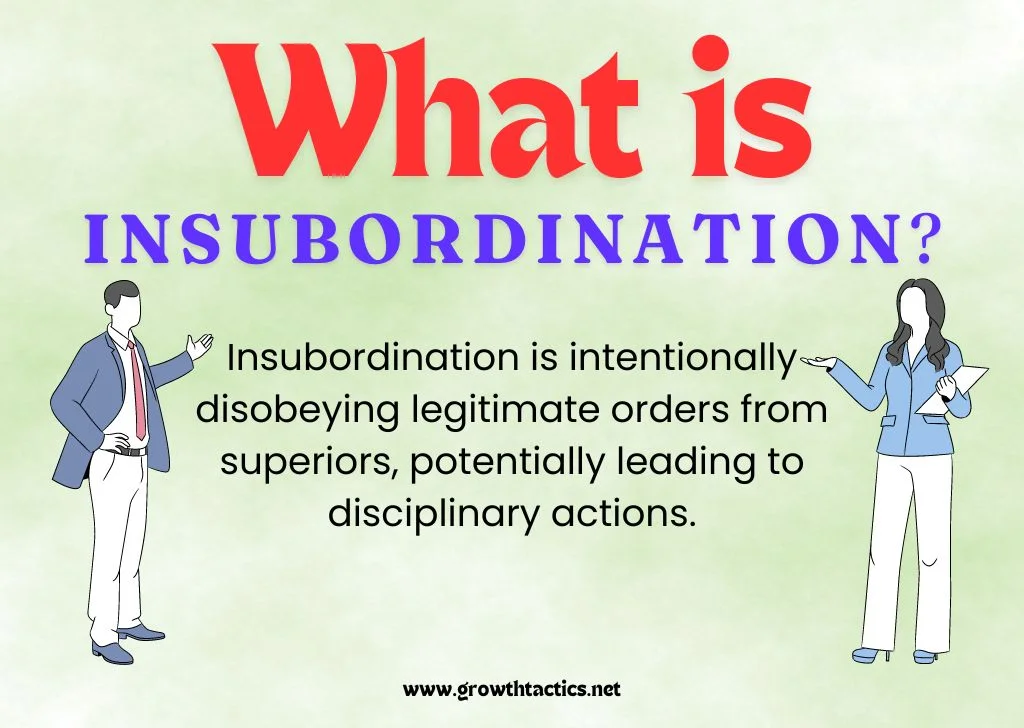
Oxford’s definition of insubordinate is “defiant of authority; disobedient to orders.” Not all problem employees are insubordinate but insubordination in the workplace can be a huge issue. Not only does it cause poor employee performance with the insubordinate employee, but it can also cause many issues within the whole team. It’s imperative to deal with insubordinate employees as swiftly as possible before they cause a hostile work environment for everybody.
Steps to Manage Poor Performance at Work
1. Determine what the problem is with the employee.
To address poor-performing employees, you must first determine the root cause of their poor performance. This involves identifying whether their work ethic is lacking, they are frequently late to work, there is friction between them and other team members, they have a negative attitude, they are insubordinate, or another problem exists.
Typically, the issue with a poor-performing employee is related to a motivation issue, an ability issue, an attitude issue, or a combination of these factors. Each issue requires different methods and actions to correct them. Effective communication is essential regardless of the problem.
For example, an ability issue may require additional training. Or even transferring the employee to another job that better suits their abilities. A motivation or attitude issue requires feedback and goals to increase employee engagement and improve their performance.
By identifying the root cause of poor performance and taking appropriate action, supervisors and leaders can help underperforming employees improve their performanc. And ultimately, contribute to the team’s success.
2. Conduct good feedback with the poor-performing employee.

Giving feedback to insubordinate employees that have caused you so much stress, can be tough but change must come to the poor employee performance. Many times, these employees are not even aware they are doing anything wrong. Feedback not only allows you to let the employee know what they are doing wrong but also allows you to determine why the employee is doing it that way.
These feedback sessions should be two-way communication with the employee. Not only is it important for them to listen to what you are saying but it is equally important to listen to what they say. Ideally, you want to agree with the employee on how they are going to improve their poor employee performance and get where you want them to be.
Make sure you also discuss with the employee what they are doing well so that continues. Regardless of whether the employee has changed their ways or not, feedback is a must. Let them know what you see them trying on and what they still need to work on.
For more information on giving good feedback see my previous article The Importance of Feedback in the Workplace.
3. Ask the difficult employee what they need.
As a manager or supervisor, it is important to approach a poor-performing employee with empathy and understanding. One way to do this is to ask the employee what you can do to help them fix their poor work performance. This question shows the employee that you are taking responsibility for their performance and that you are committed to helping them improve.
When an employee is struggling, they may feel defensive or resistant to feedback or suggestions for improvement. By asking what you can do to help them, you are taking a collaborative approach and showing that you are there to support them. This can help to reduce defensiveness and create a more positive and productive conversation.
Be prepared to follow through on any requests or suggestions that the employee may has. This could include providing additional training or resources, adjusting workloads or responsibilities, or addressing any issues or concerns that they may have. By taking action to support the employee, you are demonstrating your commitment to their success and helping to build trust and engagement.
Overall, asking an employee what you can do to help them improve their work performance is an important step in addressing poor performance. It shows that you are invested in their success and committed to helping them reach their full potential. By taking a collaborative approach and providing support and resources, you can help to create a more positive and productive work environment for everyone involved.
4. Document everything when you deal with underperforming employees.
When dealing with difficult employees, it is crucial to document everything, both positive and negative. This documentation can be a valuable tool when giving feedback to the employee, as it provides specific examples of their behavior or performance. This can help to make the feedback more concrete and meaningful, as the employee can see exactly what they are doing well or what they need to improve.
Documenting incidents can also be helpful if disciplinary action is necessary. By having a record of specific incidents or behaviors, you can provide evidence to support your decision to take action. This can be especially important if the employee challenges your decision or if the case goes to court.
In addition, documenting incidents and performance can be useful if the employee is terminated. Human resources may want to review the documentation to ensure that the termination was justified and in compliance with company policies and legal requirements.
It is important to be consistent in your documentation and to document both positive and negative incidents. This can help to create a more complete picture of the employee’s performance and can help to avoid any claims of bias or discrimination.
Overall, documenting everything when dealing with difficult employees is essential. It provides a valuable tool for giving feedback, can support disciplinary action if necessary, and can be useful if the employee is terminated. By keeping detailed records, you can help to ensure that you are making fair and informed decisions, and this can help to protect both the employee and the company.
5. Keep your emotions in check.

When you deal with underperforming employees, it can be easy to get a little mad. No matter how bad your insubordinate employee is, don’t let your emotions get the best of you. Confronting a difficult employee with anger rarely leads to any change. If you are both angry neither of you will hear anything the other party is saying, and things may be said which are not truly meant.
To see the biggest chance of your message hitting home, keep a calm level head even if the insubordinate employee starts to get a little upset at times. Showing anger in front of other employees can also send the wrong message to the rest of your team. As frustrating as these employees can be it is extremely important to keep your cool when dealing with them.
For more strategies on managing your emotions and dealing with stress at work click here.
6. Set clear goals to increase employees’ poor work performance.
Clear goals need to be set for these poor employees. Coming together on the goals is best. Ensure employees understand what you expect of them. This should be discussed during feedback sessions and reinforced often.
You want to make sure these goals are specific. Telling an employee that they need to work harder is not a good goal. Your goal should be something like, you need to increase your production by 50% within 2 weeks. Make sure the goals are achievable for the employee or you are setting both of you up for disappointment. Also, give them time to make the change. Typically, these changes don’t happen overnight, they take some time. You may have to exercise a little patience when dealing with problem employees.
7. Determine what motivates the poor-performing employees.

Different employees are motivated by different things. To get the best out of them and help them reach their full potential, you need to understand what motivates each employee.
Some employees are motivated by rewards, such as monetary incentives or time off. Knowing there is a tangible reward waiting for them can make these employees work harder and be more productive.
Other employees may be motivated by public recognition or praise. They may work harder if they know that their efforts will be publicly acknowledged and appreciated.
Some employees may be self-motivated to do a good job. They may take pride in their work and be motivated by the satisfaction of doing a job well.
In some cases, employees may be motivated by power or influence. They may be motivated by the opportunity to make decisions and have a say in how things are done.
Depending on the line of work, employees may be motivated when they believe they are making a difference. For example, employees in a non-profit organization may be motivated by the impact they are making on the community.
Employees may also be motivated not to let their boss or their peers down. In team settings, employees may feel a sense of accountability to their colleagues.
Finally, some employees may be motivated to not lose their job. Knowing that their job security is at risk can make these employees work harder and be more productive.
To tailor your approach and get the best out of each employee, you need to understand what motivates them. This may involve providing different types of rewards or recognition or finding ways to tap into each employee’s unique motivations. By using this knowledge to help employees stay on track, you can create a more productive and engaged workforce.
8. Acknowledge and reward improvement.
As an employer, it’s important to recognize when difficult employees are making an effort to change their behavior or improve their performance. If you fail to notice or appreciate their efforts, they may quickly become discouraged and revert back to their old ways.
Acknowledging the effort that these employees are putting in can be a powerful motivator. Something as simple as saying “good job” or “thank you for your hard work” can go a long way in boosting their morale and making them feel valued. By providing positive feedback, you can help to reinforce the behavior you want to see and encourage them to continue making progress.
When difficult employees receive positive affirmations for their work, they are likely to seek ways to improve further so they can receive more recognition. As they become more invested in their work, they may become more open to feedback and suggestions for improvement.
It’s important to note that simply acknowledging their efforts may not be enough to turn these employees around. They may require additional support and guidance to help them overcome their difficulties. This may involve providing training, coaching, or counseling to help them develop the skills and knowledge they need to succeed.
By recognizing and acknowledging the effort that difficult employees are putting in, you can create a more positive work environment and help these employees get back on track. By providing support and encouragement, you can help to build their confidence and motivation, and help these employees reach their full potential.
Creating Your Action Plan

When you have an employee who is not performing up to standard, it’s time to take action. You can’t wait for the person to improve without help.
How to Make an Action Plan For Underperforming Employees
Making an action plan for non-performing employees is a critical process for organizations to ensure their employees are meeting performance expectations. The following steps can help to create a corrective action plan:
- Identify the performance gap: Firstly, it is crucial to determine the specific issue that is causing a deviation from the expected behavior of the employee. Examples include failing to meet deadlines, low productivity, or poor quality of work.
- Determine the cause of the gap: Once you identify the performance gap, it is necessary to determine the reason for the gap. Is it due to a lack of training or resources? Is the employee unable to receive feedback or is there a conflict with their colleagues or manager?
- Create a solution: Based on the performance gap and the reason for the gap, you need to create a solution that addresses the issue. The solution should be realistic, and achievable and include clear steps for action. When creating a solution, involve the employee in the process, if possible. This can lead to a more positive outcome.
- Evaluate progress and make adjustments: It is essential to monitor and evaluate the progress of the employee toward their desired performance level. Identify any barriers and make adjustments where necessary. Tracking progress towards improvement will help to determine the effectiveness of the solution and make necessary modifications for future planning.
By following these steps, you can create an action plan that will ultimately benefit the employee and the organization.
Creating a Formal Performance Improvement Plan (PIP)
When informal feedback, coaching, and support haven’t resolved the performance issues, it’s time to introduce a formal Performance Improvement Plan (PIP). A PIP is not just a precursor to termination; it is a structured, final attempt to help the employee understand the gravity of the situation and provide them with a clear, documented path to success.
A well-constructed PIP serves three primary purposes:
- Clarity: It removes any ambiguity about the specific performance gaps and the exact standards required.
- Accountability: It creates a formal agreement outlining the responsibilities of both the employee and the manager.
- Documentation: It serves as a crucial legal document that demonstrates the company has made a good-faith effort to help the employee improve.
Key Components of an Effective PIP
Your PIP should be a clear, concise, and unemotional document. It must include the following elements:
- Basic Information: Employee name, job title, manager’s name, and the date the PIP is initiated.
- Statement of Concern: A summary of the specific performance areas that are not meeting expectations. Reference the employee’s job description and previously communicated standards. Be factual and avoid subjective language.
- Poor Example: “Your attitude has been negative.”
- Good Example: “On three separate occasions in the last month (dates: X, Y, Z), you made disparaging comments about the project in team meetings, which violates our company value of constructive collaboration.”
- Expected Standards of Performance: Clearly define what success looks like. What are the specific, measurable standards the employee must meet?
- Example: “All client reports must be submitted by the 5 PM deadline with an error rate of less than 5%, as measured by the weekly quality assurance check.”
- Action Plan & Objectives: This is the core of the PIP. Outline the specific, measurable, achievable, relevant, and time-bound (SMART) goals the employee must achieve.
- Example Objective: “For the next 60 days, you will successfully close 15 sales leads per week, documented in the CRM by Friday EOD.”
- Support and Resources: Detail what the company will do to help the employee succeed. This demonstrates the plan is supportive, not punitive.
- Examples: Weekly check-in meetings with the manager, access to a specific online training course, pairing with a senior mentor for two hours per week.
- Timeline and Review Schedule: Define the duration of the PIP (typically 30, 60, or 90 days). Schedule mandatory check-in meetings (e.g., weekly) to review progress, offer feedback, and adjust the plan if necessary.
- Consequences of Non-Improvement: State clearly and professionally what will happen if the performance standards outlined in the PIP are not met by the end of the period. This typically includes further disciplinary action, up to and including termination of employment.
- Signatures: Include lines for the employee, the manager, and an HR representative to sign. Add a disclaimer that the employee’s signature acknowledges receipt and understanding of the PIP, not necessarily agreement with its contents.
Performance Improvement Plan (PIP) Template
Employee Name: [Employee Name] Job Title: [Job Title] Manager: [Manager Name] Date of PIP: [Date] PIP Review Period: [Start Date] to [End Date]
1. Identification of Performance Deficiencies / Areas of Concern
This section outlines the specific areas where performance has not met the expectations of the role. The following issues were discussed with you on [Date(s) of previous conversations]:
- Concern 1: [Be specific and factual. Example: Failure to meet project deadlines. The Q3 ‘Project Alpha’ report was submitted 3 days late on Oct 15, and the Q4 ‘Project Beta’ plan was submitted 2 days late on Nov 5.]
- Concern 2: [Be specific and factual. Example: Inaccuracy in reporting. The weekly sales reports for the weeks of Oct 22 and Nov 12 contained significant data errors that required 4 hours of rework by the team.]
- Concern 3: [Add another specific, factual example if necessary.]
2. Expected Standards of Performance
To be successful in your role, you are expected to consistently meet the following standards:
- Standard 1: [Define what ‘good’ looks like. Example: All assigned reports must be submitted accurately and on time by the agreed-upon deadline.]
- Standard 2: [Define what ‘good’ looks like. Example: All data entered into the CRM must be cross-checked for accuracy, with an error rate below 2%.]
3. Action Plan & Objectives
To achieve the expected standards, you must complete the following objectives within the review period:
| Objective | How It Will Be Measured | Target Date(s) |
|---|---|---|
| [Specific Goal 1: e.g., Submit all 8 upcoming weekly reports by the Friday 5 PM deadline.] | [Measurement: Timestamps on email submission and manager review for accuracy.] | [Each Friday] |
| [Specific Goal 2: e.g., Complete the ‘Advanced Excel for Data Analysis’ online training course.] | [Measurement: Certificate of completion.] | [End of Week 4] |
| [Specific Goal 3: e.g., Reduce client email response time to under 24 hours.] | [Measurement: Weekly spot-checks of 10 random client email threads.] | [Ongoing] |
4. Support and Resources
To assist you in meeting these objectives, the company will provide the following:
- Weekly 30-minute check-in meetings with [Manager Name] to discuss progress, challenges, and feedback.
- Access to the company’s LinkedIn Learning subscription for the required training course.
- A temporary reduction in ancillary duties to allow for focus on core reporting tasks.
5. Follow-Up and Review Schedule
We will meet to formally review your progress on the following dates:
- Week 2 Check-in: [Date]
- Week 4 Check-in: [Date]
- Week 6 Check-in: [Date]
- Final Review: [End Date of PIP]
6. Consequences for Failure to Improve
This Performance Improvement Plan represents a formal opportunity to bring your performance up to the required level. Failure to achieve and consistently maintain the standards and objectives outlined in this plan by the end of the review period will result in further disciplinary action, up to and including the termination of your employment.
7. Employee Comments (Optional)
[Space for the employee to add their own comments if they wish.]
Signatures
My signature below confirms that I have received this Performance Improvement Plan and have had the opportunity to discuss it with my manager. I understand the performance concerns, the expectations, and the potential consequences if my performance does not improve to a satisfactory level. My signature does not necessarily indicate my agreement with the content of this document.
Employee Signature: _________________________ Date: _________________________
Manager Signature: _________________________ Date: _________________________
HR Representative Signature: _________________________ Date: _________________________
How to Decide When Firing is the Right Call
If you are facing the difficult decision of whether or not to fire an employee, you need to take several steps before making a final decision. These steps will help you decide if firing is the right call:
1. Identify the problem: Before firing an employee, identify the problem. Is the employee failing to meet performance expectations, consistently late or absent, or causing problems with coworkers or customers?
2. Communicate with the employee: Communicate with the employee about the identified issues. Provide specific examples of the problem and give them an opportunity to improve. Establish clear expectations and goals for improvement and set a timeline for progress.
3. Document everything: Keep detailed records of all performance or behavior issues and communication with the employee. This documentation will be important if you need to defend your decision to terminate the employee.
4. Consider the impact on the team: Consider how firing an employee will affect the rest of your team. Address any concerns or questions your team may have and prepare for any impact on morale and productivity.
5. Consult with HR or legal: Depending on the situation, consult with your HR department or legal counsel before making a final decision. They can help ensure that you are following company policies and legal requirements.
Remember, firing an employee should not be taken lightly. Consider all of the factors involved and make sure that firing is the best solution for both the employee and the company.
In Summary
Dealing with problem employees can be a pain but firing them should always be a last resort. When you fire them, you are taking a gamble that you will find an employee that’s better than the one you just let go of. New employees also require training which takes time and costs money. The ideal way to handle poor employees is to get them to perform up to standards before letting it degrade into a hostile work environment for you and the rest of your team. Using these 8 strategies will help turn those underperforming employees around.
Did you enjoy this article on how to create an action plan for non performing employees? Please don’t forget to share and subscribe below.