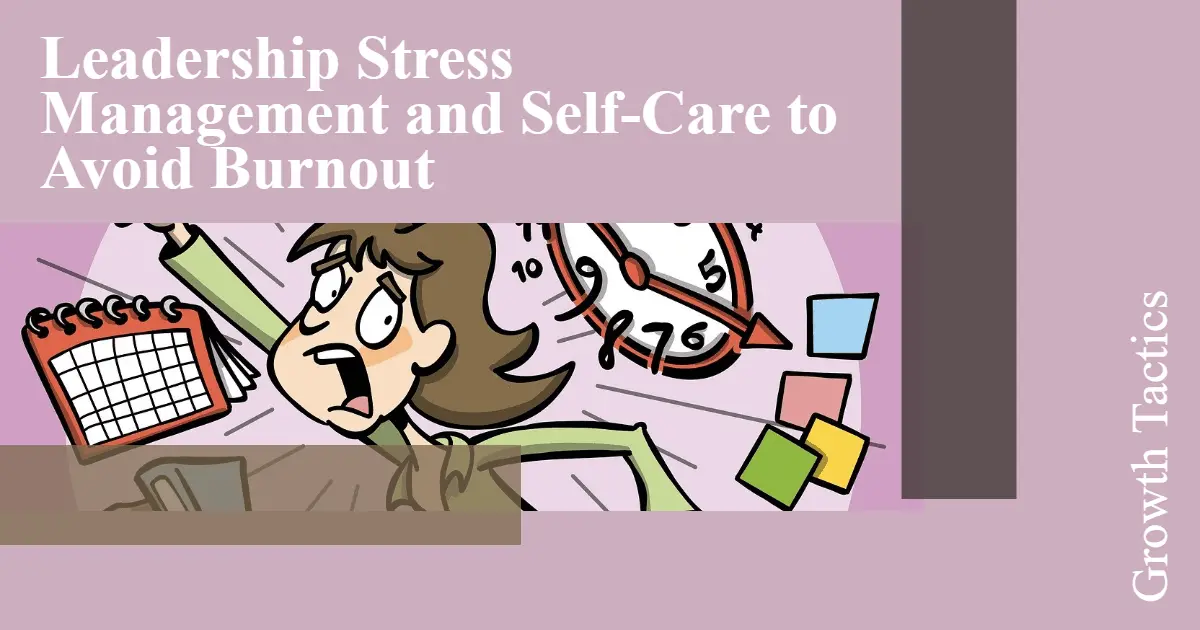
Do you dread being asked to take on extra work? Learning how to say it’s not my job professionally is a powerful skill that prevents burnout.
This isn’t about being unhelpful; it’s about setting healthy boundaries to protect your focus and energy. We’ll give you the exact scripts to politely decline a request while maintaining positive relationships.
Are you ready?
Jump To Section
The Litmus Test: When Is It Right to Say “No”?
Before you can politely decline a request, you must first give yourself permission to do so. Many high-achievers feel a pang of guilt when saying “no,” worrying they’ll be seen as unhelpful or not a team player. But the most effective professionals aren’t the ones who say “yes” to everything; they are the ones who say “yes” to the *right* things.
Saying “no” isn’t a rejection of your colleague; it’s an affirmation of your own commitments and boundaries. It’s a strategic decision that protects your focus, the quality of your work, and your long-term sanity. Use this litmus test to determine when declining a task is not only acceptable but the most responsible course of action.
Protecting Your Priorities
The clearest signal to decline a request is when it directly conflicts with the strategic goals you and your manager have already set. Your primary responsibility is to deliver on your core objectives. Taking on a tangential task that pulls you away from a high-stakes project isn’t just a disservice to you, it’s a disservice to the team’s larger mission.
The Litmus Test: Does this new task directly compromise my ability to deliver on a pre-approved, high-impact priority? If the answer is yes, saying “no” is an act of alignment with your manager and your company’s goals.
The Capacity Check
Your professional bandwidth isn’t infinite. Every professional has a capacity limit, beyond which the quality of their work begins to degrade. Saying “yes” when you’re already swamped means you’re agreeing to do a mediocre job on the new task, your existing tasks, or both. A responsible “no” protects the integrity of your current commitments and prevents you from overpromising and under-delivering.
The Litmus Test: If I say yes to this, which of my current duties will suffer in quality or miss its deadline? If you can’t take on more without sacrificing excellence elsewhere, you have a legitimate reason to decline.
The Expertise Gap
Being a team player doesn’t mean you have to be the expert on everything. When a request falls significantly outside your skill set or knowledge base, you are not the right person for the job. Attempting it would either take you an inefficient amount of time (stealing focus from your strengths) or result in a subpar outcome. It is far more helpful to the organization to route the request to the person who can execute it quickly and effectively.
The Litmus Test: Am I the right person for this, or would someone else deliver a better result in less time? Acknowledging an expertise gap isn’t a sign of weakness; it’s a sign of strategic self-awareness.
The Recurring Pattern
A one-time favor is teamwork; a consistent offloading of duties is a boundary issue. If you notice the same person or team repeatedly asking you to handle tasks that are clearly their responsibility, you’re no longer just “helping out.” You are enabling a dynamic that undermines their accountability and adds to your workload. Addressing this pattern isn’t about a single task, it’s about re-establishing professional boundaries for a healthier, more equitable working relationship.
The Litmus Test: Is this a genuine, one-time need, or has this become an unofficial, uncompensated part of my job? If it’s a pattern, saying “no” is necessary to correct the course.
A Symptom of a Bigger Problem
Sometimes, a seemingly small request is actually a red flag for a larger, systemic issue. Does the request exist because a team is critically understaffed? Are roles and responsibilities so unclear that work is falling through the cracks? Is a key process broken, forcing people to find manual workarounds?
By saying “yes,” you apply a temporary patch that hides the root cause. Saying “no” and redirecting the issue to a manager or team lead can force a necessary conversation about fixing the underlying problem.
Tailoring Your Approach: Who Are You Talking To?
Declining a request isn’t a one-size-fits-all situation. The person asking, their relationship to you in the company hierarchy, and their potential awareness of your workload all play a crucial role in how you should respond. A blunt “no” to your manager lands very differently than it does with a peer. The key is to adapt your strategy to the person you’re speaking with, ensuring you protect your time while strengthening your professional relationships.
How to Say It to Your Manager
When your manager assigns a new task, a direct refusal is rarely the right move. They have the ultimate authority over your work, but they don’t always have perfect visibility into your day-to-day capacity.
Goal: Frame your response as a conversation about prioritization, not a refusal to do the work. Your aim is to demonstrate your commitment to the team’s most critical objectives and to get your manager’s help in organizing them.
Strategy: Instead of saying “no,” ask for clarification on priorities. This shifts the conversation from your inability to do the task to a collaborative effort to manage the workload effectively. Present your current high-priority tasks and ask where the new request fits. This shows you are organized, proactive, and value their strategic oversight.
Example: “I’m happy to help with that. Currently, I’m focused on [Project A] and [Project B], which I understood were the top priorities. To give this new task the attention it deserves, which of these should I de-prioritize for now?” Just be careful with your tone when you say this because the delivery can make all the difference.
Key Phrase: “Can you help me understand how this fits in with my current priorities?”
How to Say It to a Colleague or Peer
Requests from colleagues are often about collaboration, but they can quickly lead to you doing someone else’s job. Your goal is to be a supportive teammate without becoming the default person for overflow work.
Goal: Be collaborative and helpful while firmly protecting your own workload. You want to maintain a positive, friendly team dynamic and show that your “no” is about capacity, not a lack of willingness to help.
Strategy: Use a direct but warm tone. Acknowledge the pressure they might be under, express empathy, and then clearly state your limitation. This combination of validation and boundary-setting is crucial for preserving the relationship.
Example: “That sounds like an important project. Unfortunately, I’m completely tied up with the end-of-month reporting and can’t step away. I wouldn’t be able to give your task the focus it needs.”
Key Phrase: “I can see you’re in a tough spot, but I’m at full capacity right now.”
How to Say It to Someone from Another Department
When someone from another team asks for something outside your purview, it’s often because they genuinely don’t know who the right contact is. Viewing yourself as a helpful navigator rather than a gatekeeper can build valuable cross-functional goodwill.
Goal: Act as a helpful guide, not a roadblock. Your objective is to efficiently connect them to the correct person or resource, leaving them with a positive impression of you and your team.*
Strategy: Politely clarify that the request falls outside your role, and then immediately pivot to providing a solution by redirecting them. This is the most efficient way to help them while using minimal time and energy on your part.
Example: “Thanks for reaching out to me. My team handles the marketing analytics, but it sounds like you’re looking for sales data. The expert on that is Sarah Jones in the Sales Operations department. I can forward you her email.”
Key Phrase: “My role focuses on [your area], but the expert on that is [Name/Department].”
How to Say It to Your Direct Report
Sometimes, a direct report will delegate a task up to you, either out of uncertainty, a desire for you to handle a difficult part, or because they feel overwhelmed. Resisting the urge to just do it yourself is a critical management skill.
Goal: Use the moment as a coaching and empowerment opportunity. Your aim is to build their confidence and skills by guiding them to complete the task themselves, reinforcing that it falls within their responsibilities.
Strategy: Re-delegate the task back to them gently but firmly. Acknowledge their request for help, re-frame the task as a growth opportunity that belongs to them, and then offer support in the form of resources, advice, or obstacle removal, not by taking over the work.
Example: “I appreciate you flagging this with me. This task is a key part of your role, and it’s a great opportunity for you to take the lead. Let’s talk through your plan. What resources do you need from me to get started?”
Key Phrase: “This is a great opportunity for you to own. What do you need from me to be successful?”
Beyond the Conversation: How to Proactively Set Boundaries
While knowing what to say in the moment is a crucial skill, the ultimate goal is to create a work environment where you have to say “no” less often. This requires a shift from being reactive to being proactive. By strategically managing your visibility, time, and role clarity, you can build a natural defense against out-of-scope requests and protect your focus for the work that matters most.
Here are four long-term strategies to set boundaries before you even need to have the conversation.
Communicate Your Workload for Greater Visibility
The most common reason people ask you to do something is because they assume you have the time. The best way to counter this assumption is with proactive transparency. Make your workload visible so that your capacity is understood, not guessed.
In Team Meetings: During stand-ups or weekly check-ins, be specific about your priorities. Instead of saying, “I have a busy week,” say, “My primary focus this week is completing the draft of the Q3 report, which I expect to be heads-down on until Thursday.” This communicates your commitments without being defensive.
With Your Manager: Use your one-on-one meetings to align on priorities. A simple, “Just to confirm, my top three priorities are A, B, and C, correct?” ensures you and your manager are on the same page and protects you from conflicting requests.
Master the Strategic Pause
Our instinct to be helpful often leads to an immediate “yes” that we later regret. To break this habit, build a space between the request and your answer. The strategic pause is your most powerful tool for thoughtful decision-making.Instead of a knee-jerk agreement, use a neutral holding phrase. This buys you time to genuinely assess your capacity and the request’s alignment with your goals.
Your Go-To Scripts:
“Let me check my calendar and current workload and get back to you by the end of the day.”
“That sounds interesting. Let me review my priorities to see where this might fit in.”
“Before I commit, I need to see how this aligns with the deadlines I’m currently working on.”
This simple delay transforms you from a reactive people-pleaser into a strategic professional who thoughtfully manages their commitments.
Formally Clarify Your Role and Priorities
If you are consistently receiving requests that fall far outside your job description, it’s often a symptom of a larger issue like unclear roles or shifting team needs. A single “no” won’t fix a recurring pattern. It’s time to address the root cause.
Schedule a dedicated meeting with your manager to discuss your role. Frame it not as a complaint, but as a proactive effort to ensure you’re delivering the most value.
How to Frame the Conversation: “I’ve noticed I’m receiving a growing number of requests related to [Task Area X]. I want to make sure I’m focusing my energy on the highest-impact activities for our team. Could we set aside 30 minutes to review my key responsibilities and our agreed-upon priorities for this quarter?”
This conversation provides official clarity, realigns expectations, and gives you a clear mandate from your manager to refer to in the future.
Use Your Calendar as a Defensive Tool
Your shared calendar is more than a scheduling tool; it’s a public statement of your priorities. A calendar filled with vague “Busy” blocks is easy to ignore. A calendar detailing focused work is a powerful, non-verbal deterrent.
Block out time for your most important tasks and be descriptive.
Instead of: “Busy” Try:** “Focus Time: Draft Q4 Marketing Strategy” or “Heads-Down Work: Analyzing Customer Feedback Data”
When colleagues see that you are already committed to specific, high-value tasks, they are less likely to interrupt with a low-priority request. It shows you aren’t just unavailable; you are unavailable because you are actively engaged in your core responsibilities. This respects everyone’s time and sets a clear, visual boundary.
Conclusion
Saying “it’s not my job” isn’t about shutting doors; it’s about keeping the right ones open for the work you were hired to do. By moving beyond a simple “no” and adopting a strategy of validating the request, clearly stating your position, and offering a helpful pivot, you transform a potentially awkward refusal into a moment of clarity, trust, and mutual respect.
Mastering this skill is more than just a defense mechanism against burnout; it’s a powerful form of self-advocacy. It allows you to protect your most valuable assets: your time, your energy, and the quality of your work. By setting these boundaries with confidence and grace, you pave the way to excel in your role and build a sustainable, impactful career.
Your journey to confident leadership doesn’t stop here. If this article resonated with you, share this article with a teammate who is also juggling a heavy workload. And for a steady stream of practical Growth Tactics, subscribe to our newsletter below.