A team is more than just a group of people who work together; it’s a force multiplier. Think of an orchestra. When individual musicians play their own tunes, the result is chaos. But when they unite under a single vision, guided by trust and shared rhythm, they create a symphony. The same is true in the workplace. A disconnected group of employees completes tasks, but a cohesive team achieves greatness.
Team cohesion is the invisible thread that binds a group together. It’s a powerful mix of mutual trust, a strong sense of belonging, and an unwavering commitment to shared goals. When a team is truly cohesive, the benefits are undeniable:
- Productivity and performance skyrocket.
- Employee morale and job satisfaction improve dramatically.
- Communication flows freely, and conflict is reduced.
- Innovation and creative problem-solving flourish.
- Employee turnover plummets.
So, how do you transform a collection of individuals into a unified, high-performing team? In this article, we’ll explore 15 concrete ways, from foundational principles to daily habits, to build and maintain strong team cohesion in any workplace.
Part 1: Laying the Foundation for Strong Team Cohesion
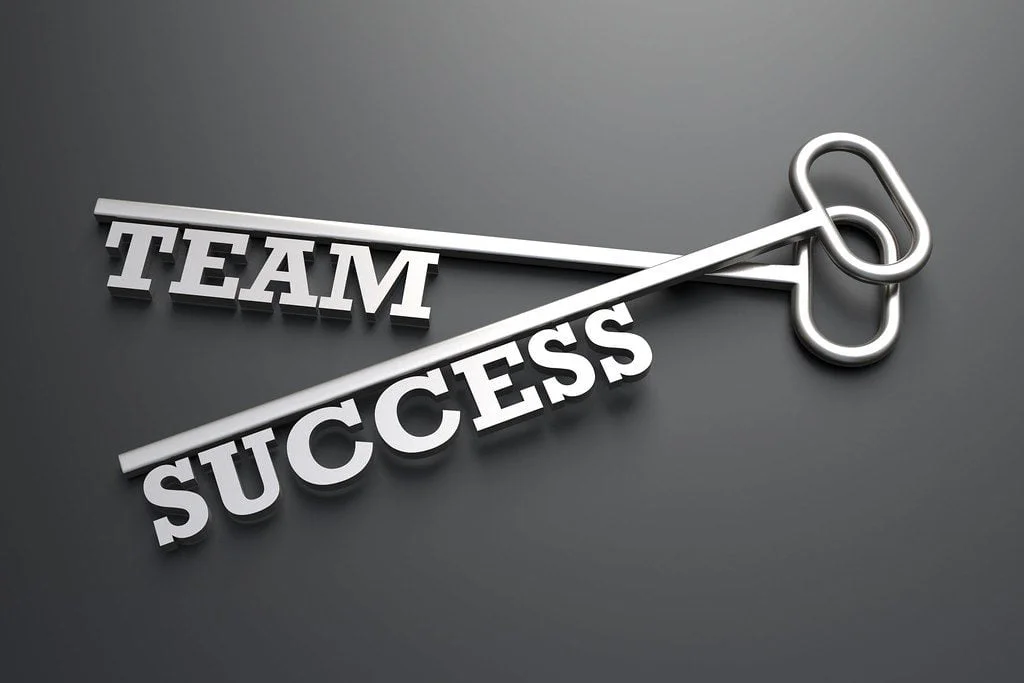
Before you plan the first team-building event, you need to lay the groundwork. These foundational elements provide the stability and direction every cohesive team needs.
1. Establish a Clear, Unifying Mission
What it is: Creating a team charter or mission statement that defines the team’s purpose, values, and its collective “why.” This North Star guides every decision and action.
Why it works: It gives everyone a shared sense of identity and direction that transcends their individual tasks. When people know why their work matters to the team, they are more motivated to collaborate.
How to do it: Schedule a 90-minute workshop. On a whiteboard, ask the team to brainstorm answers to:
- Who do we serve?
- What value do we provide them?
- What principles guide our work?
Synthesize the answers into a single, memorable sentence. Post it visibly in your team’s physical or digital workspace.
2. Define Roles and Responsibilities with Clarity
What it is: Ensuring every team member knows exactly what is expected of them, who is responsible for what, and how their role contributes to the team’s overall success.
Why it works: Clarity eliminates confusion, reduces territorial disputes, and prevents tasks from falling through the cracks. It empowers individuals to own their work confidently, knowing their colleagues are doing the same.
How to do it: For each major project, create a RACI chart (Responsible, Accountable, Consulted, Informed). During project kickoffs, explicitly review who is responsible for each deliverable. Encourage team members to create a “user manual” for themselves, outlining their communication preferences and areas of expertise.
3. Set Collaborative Goals (OKRs, Team-Based KPIs)
What it is: Moving beyond individual performance metrics to create shared objectives that require the team to work together to succeed. Frameworks like Objectives and Key Results (OKRs) are excellent for this.
Why it works: Shared goals foster interdependence. When success is defined collectively, it shifts the mindset from “me” to “we” and creates a powerful “we’re in this together” mentality.
How to do it: Instead of cascading individual goals, start your quarterly planning by defining 2-3 team-level Objectives. Then, have the team collaboratively define the Key Results that measure success for that objective. Ensure at least 50% of an individual’s goals are directly tied to these shared team goals.

Part 2: Fostering Open Communication and Trust for Group Cohesion
With a solid foundation in place, the next layer is building an environment of trust where communication can thrive.
4. Create Psychological Safety
What it is: Cultivating an environment where group members feel safe to speak up, ask questions, propose wild ideas, and admit mistakes without fear of punishment or humiliation.
Why it works: As identified in Google’s famous Project Aristotle, psychological safety is the most critical ingredient of a successful team. It is the bedrock of trust, encouraging the vulnerability and honesty needed for genuine collaboration.
How to do it: As a leader, model vulnerability by admitting your own mistakes or uncertainties. When someone raises a concern, thank them publicly. When a mistake happens, frame it as a learning opportunity by asking, “What can we learn from this?” instead of “Whose fault is this?”
5. Implement Consistent Communication Rituals
What it is: Scheduled, predictable check-ins like daily stand-ups, weekly team meetings, or monthly retrospectives. These aren’t just status updates; they are opportunities to connect and align.
Why it works: These rituals create a reliable rhythm for communication. They ensure everyone stays informed, has a dedicated forum to voice concerns, and feels connected to the team’s pulse.
How to do it: Schedule a 15-minute daily stand-up at the same time every morning. Create a standard agenda for your weekly team meeting that includes “wins,” “priorities,” and “roadblocks.” Use a “Start, Stop, Continue” format for a monthly retrospective to improve team processes.
6. Encourage and Model Constructive Feedback
What it is: Establishing a culture where feedback, both positive and constructive, is seen as a gift for growth, not a personal attack. Leaders should model how to give and receive feedback with grace.
Why it works: Teams that can have honest conversations about performance build immense trust. Constructive feedback helps the team improve collectively and strengthens relationships by showing a mutual commitment to excellence.
How to do it: Teach and use a simple feedback model like Situation-Behavior-Impact (SBI). For example: “In the client meeting this morning (Situation), when you presented the data (Behavior), it came across as incredibly confident and well-researched (Impact).” Make feedback a regular part of 1-on-1s, not just an annual event.
Part 3: Building Personal Connections and Belonging
Cohesion isn’t just about work; it’s about the people. Strong teams are built on strong interpersonal relationships.
7. Prioritize Thoughtful Onboarding
What it is: Designing an onboarding process that introduces new hires not just to their job, but to the team’s culture, norms, and members on a personal level. Assigning a “buddy” is a great tactic.
Why it works: The first 90 days are critical. A warm, structured welcome makes new members feel they belong from day one, accelerating their integration and contribution.
How to do it: Assign a “work buddy” (not their manager) to every new hire for their first month. Create a checklist that includes scheduling 15-minute introductory coffee chats (virtual or in-person) with every team member in their first two weeks.
8. Carve Out Time for Non-Work Interactions
What it is: Intentionally creating space for informal connection. This can be team lunches, coffee breaks, after-work happy hours, or virtual “water cooler” channels on Slack.
Why it works: These moments allow colleagues to connect as people, not just as job titles. Discovering shared hobbies and life experiences builds the personal bonds that make professional collaboration smoother and more enjoyable.
How to do it: Block 30 minutes on the team calendar once a week for a “non-work social” (virtual or in-person). Start your weekly team meeting with a 5-minute icebreaker. Create a dedicated Slack/Teams channel for non-work topics like #pets, #cooking, or #weekend-plans.
9. Utilize Strategic Team-Building Activities
What it is: Moving beyond trust falls to activities that serve a purpose. Think escape rooms that require problem-solving, volunteer days that unite the team for a cause, or collaborative workshops that teach a new skill.
Why it works: These activities create shared positive memories and offer a low-stakes environment to practice communication, collaboration, and leadership, strengthening the team’s collaborative muscles.
How to do it: Instead of a generic outing, choose an activity that targets a team need. If communication is a challenge, try an escape room. To foster innovation, try a “hackathon” or a collaborative brainstorming workshop. To build shared values, organize a volunteer day for a cause the team chooses together.

Part 4: Celebrating and Growing Together
A team that celebrates milestones and learns together builds momentum and a shared sense of accomplishment.
10. Celebrate Wins, Both Big and Small
What it is: Publicly acknowledging project milestones, successful launches, and individual contributions that helped the team succeed. Don’t wait for the project to end; celebrate the small victories along the way.
Why it works: Celebration reinforces a culture of appreciation and links positive emotions to teamwork. It validates hard work and motivates the team to keep striving for success.
How to do it: Dedicate the first five minutes of your weekly team meeting to a “Wins of the Week” round-robin where everyone shares a personal or team success. When a major project is completed, celebrate with a team lunch or a half-day off. Be specific in your praise: “Great work, Sarah, on landing that client. Your persistence on the follow-up calls made all the difference.”
11. Implement a Peer-to-Peer Recognition System
What it is: A simple system where team members can publicly thank and recognize each other. This can be a dedicated Slack channel (#kudos), a physical “shout-out” board, or a segment in a weekly meeting.
Why it works: It empowers the entire team to build each other up, fostering a culture of gratitude. It also highlights positive behaviors and contributions that leaders might miss.
How to do it: Create a #kudos or #props channel in your team’s chat app. Encourage people to post shout-outs to colleagues who helped them out. At the end of the week, the manager can read a few of the recognitions aloud to amplify their impact.
12. Invest in Team-Wide Training and Development
What it is: Having the team learn a new skill or attend a workshop together. This could be a technical course, a communication seminar, or a design thinking workshop.
Why it works: A shared learning experience builds a collective skillset and strengthens bonds through mutual growth and vulnerability. Navigating a new challenge together is a powerful unifier.
How to do it: Survey the team to identify a skill they’d all like to develop (e.g., presentation skills, a new software tool, project management). Arrange for an external trainer to run a workshop, or organize an internal “lunch and learn” series where team members teach each other.
Part 5: Leadership and Long-Term Maintenance
Cohesion isn’t self-sustaining. It requires deliberate, ongoing effort, especially from leadership.
13. Lead by Example
What it is: Managers and team leads must model the behavior they want to see. This means being vulnerable, communicating openly, collaborating eagerly, and championing the team’s mission.
Why it works: Cohesion starts at the top. If leaders don’t embody these principles, any initiative will feel inauthentic and fall flat. Leaders cast a long shadow, and their actions speak louder than any memo.
How to do it: Be the first to ask for help when you’re stuck. Actively solicit opinions from quieter team members in meetings. When you give feedback, follow the SBI model. When you receive feedback, say “thank you” without getting defensive.
14. Welcome and Mediate Conflict Constructively
What it is: Viewing disagreements not as problems to be squashed, but as opportunities for growth. A leader’s role is to facilitate healthy debate and guide the team toward a constructive resolution.
Why it works: A team that avoids conflict is not a cohesive one; it’s an artificial one. A team that can navigate disagreements effectively emerges stronger, more resilient, and with better solutions.
How to do it: When a disagreement arises, bring the parties together. Set ground rules like “no personal attacks” and “seek to understand before being understood.” Act as a facilitator, helping each person articulate their perspective and find the common ground or shared goal they are both working toward.
15. Establish Regular Feedback Loops for the Team Itself
What it is: Periodically asking the team, “How are we doing as a team?” This can be done through anonymous surveys, retrospectives, or open forums dedicated to discussing team dynamics.
Why it works: This makes team health a shared responsibility. It gives everyone a voice in improving how they work together and allows for continuous refinement of team processes and culture.
How to do it: Once a quarter, hold a “Team Health” retrospective. Use an anonymous poll or survey to ask questions like:
- How would you rate our communication (1-5)?
- Do you feel safe sharing your ideas (1-5)?
- What is one thing we should start doing to work better together?
Discuss the aggregated results and commit to one specific improvement for the next quarter.
Conclusion: Cohesion is a Journey, Not a Destination
Building a truly cohesive team is not a one-time project with a clear finish line. It’s more like tending a garden; it requires consistent, intentional effort. By laying a strong foundation, fostering open communication, building personal connections, celebrating growth, and leading with purpose, you can cultivate an environment where people feel a deep sense of belonging and shared purpose.
Don’t feel overwhelmed by this list. Start small. This week, pick just one or two of these strategies to implement with your team. The effort you invest in building cohesion will pay dividends, transforming your group into a powerful, resilient, and deeply rewarding team to be a part of.